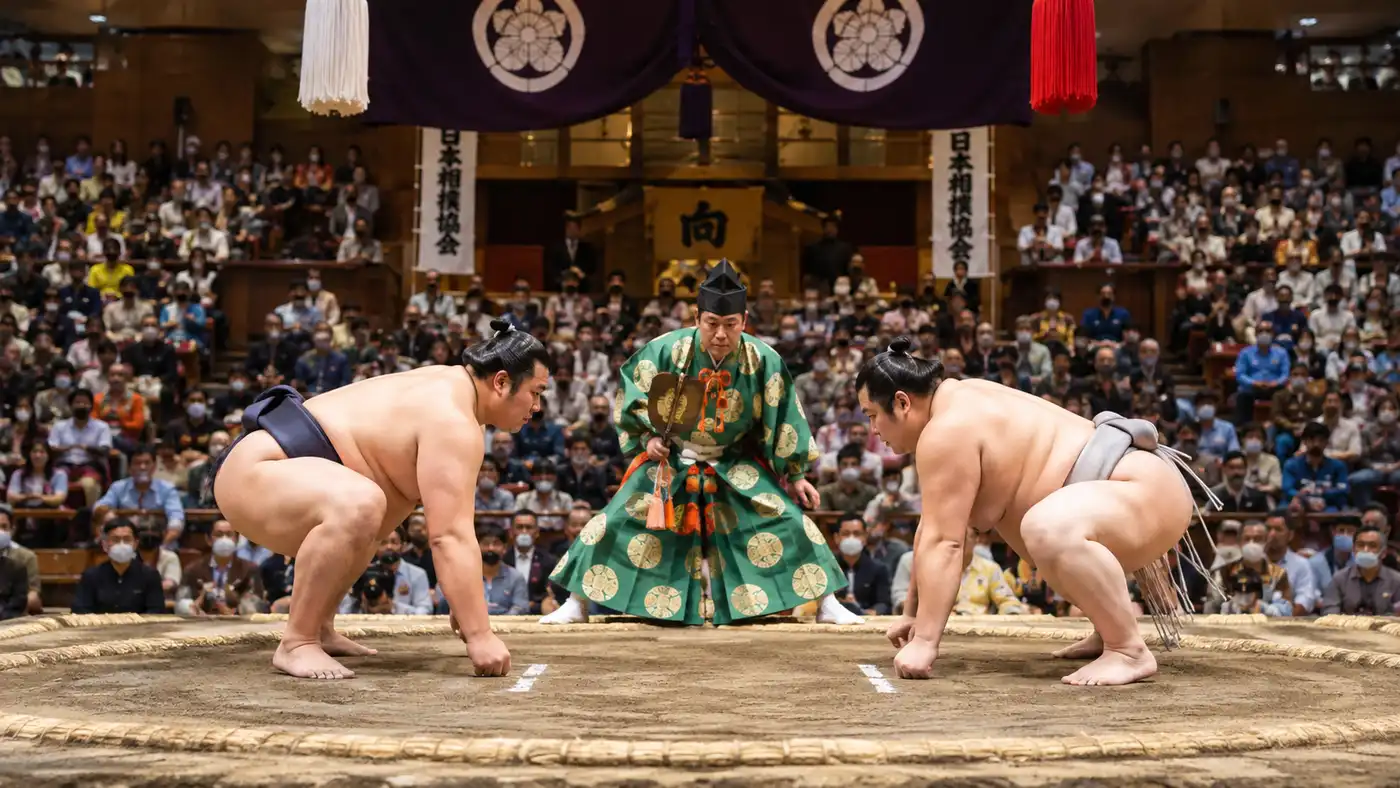
History and Origins of Japanese Sumo Wrestling
Discover the authentic history of sumo wrestling, from ancient Shinto harvest rituals and samurai battles to Edo street …
Continue Reading →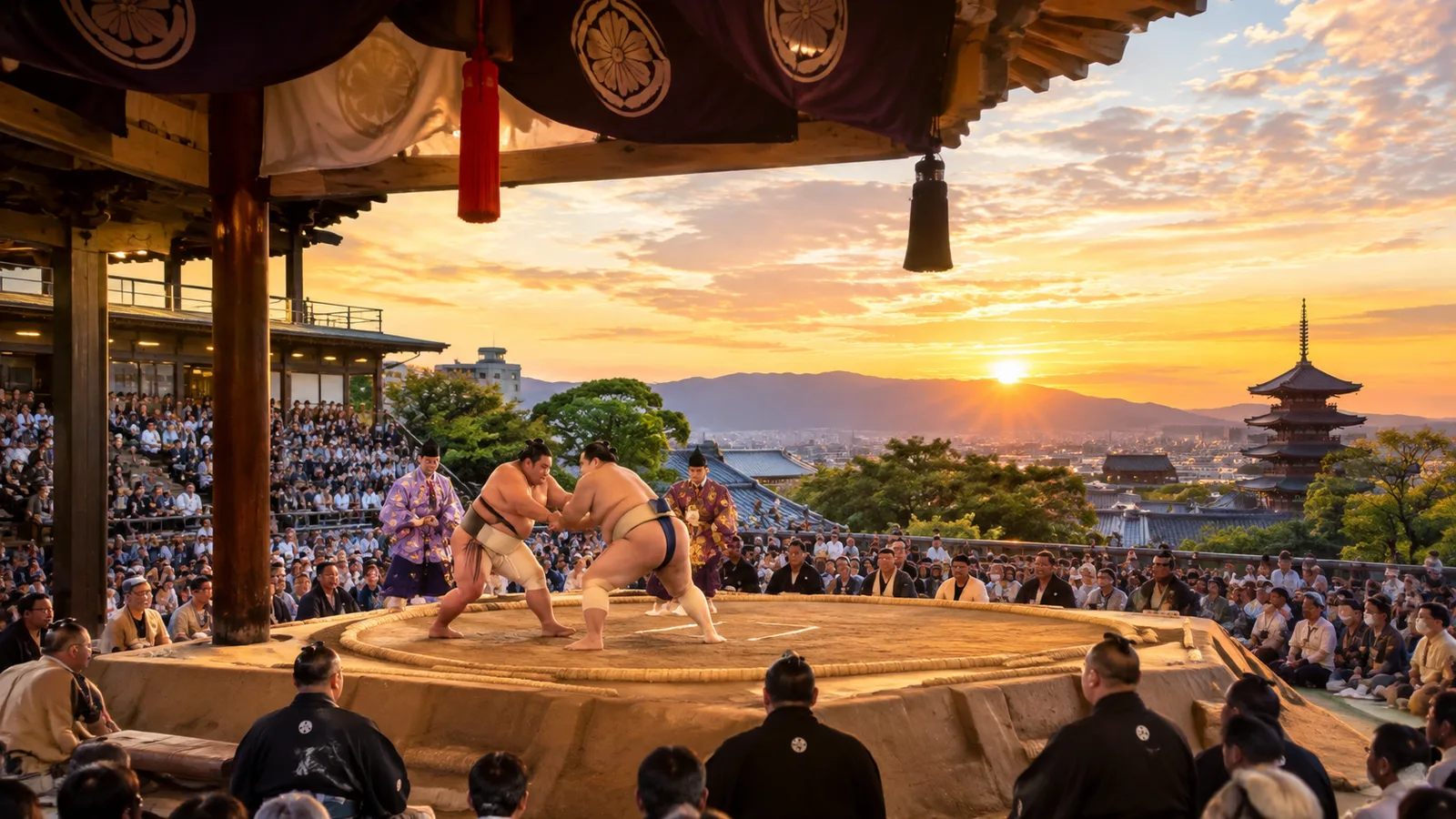
Planning to watch sumo wrestling in Kyoto? Here is how to find seasonal tour matches, book retired rikishi dining events, or catch the grand basho nearby.
Discover what makes sumo wrestling kyoto unforgettable.
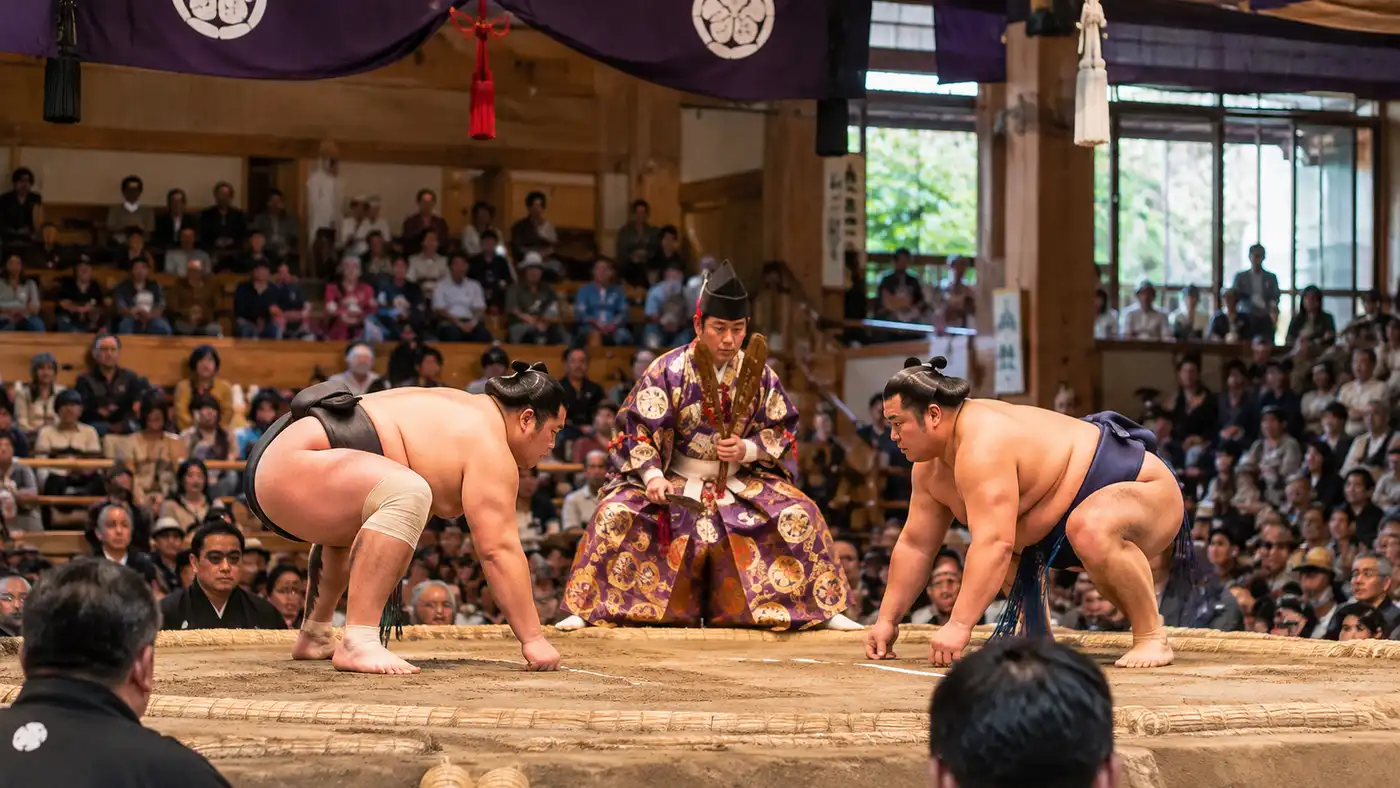
Spend two hours with former division wrestlers who explain daily stable routines and combat grips. You can step into the ring for lighthearted practice, then dig into steaming bowls of chicken chanko stew.
Learn more →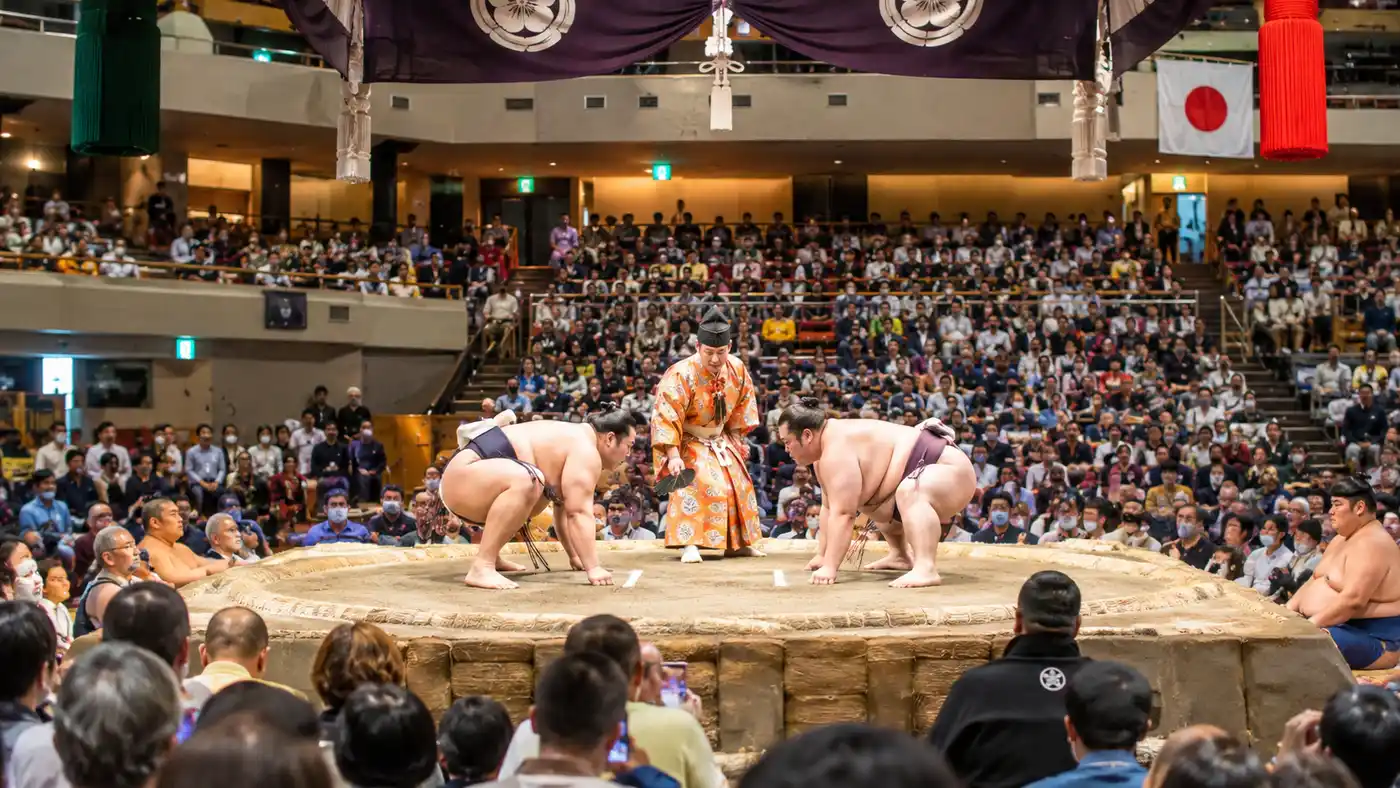
Each autumn, the Japan Sumo Association visits Kyoto for a one-day exhibition. Top division stars practice outside the formal pressure of title matches, signing autographs and joking with fans between training bouts.
Learn more →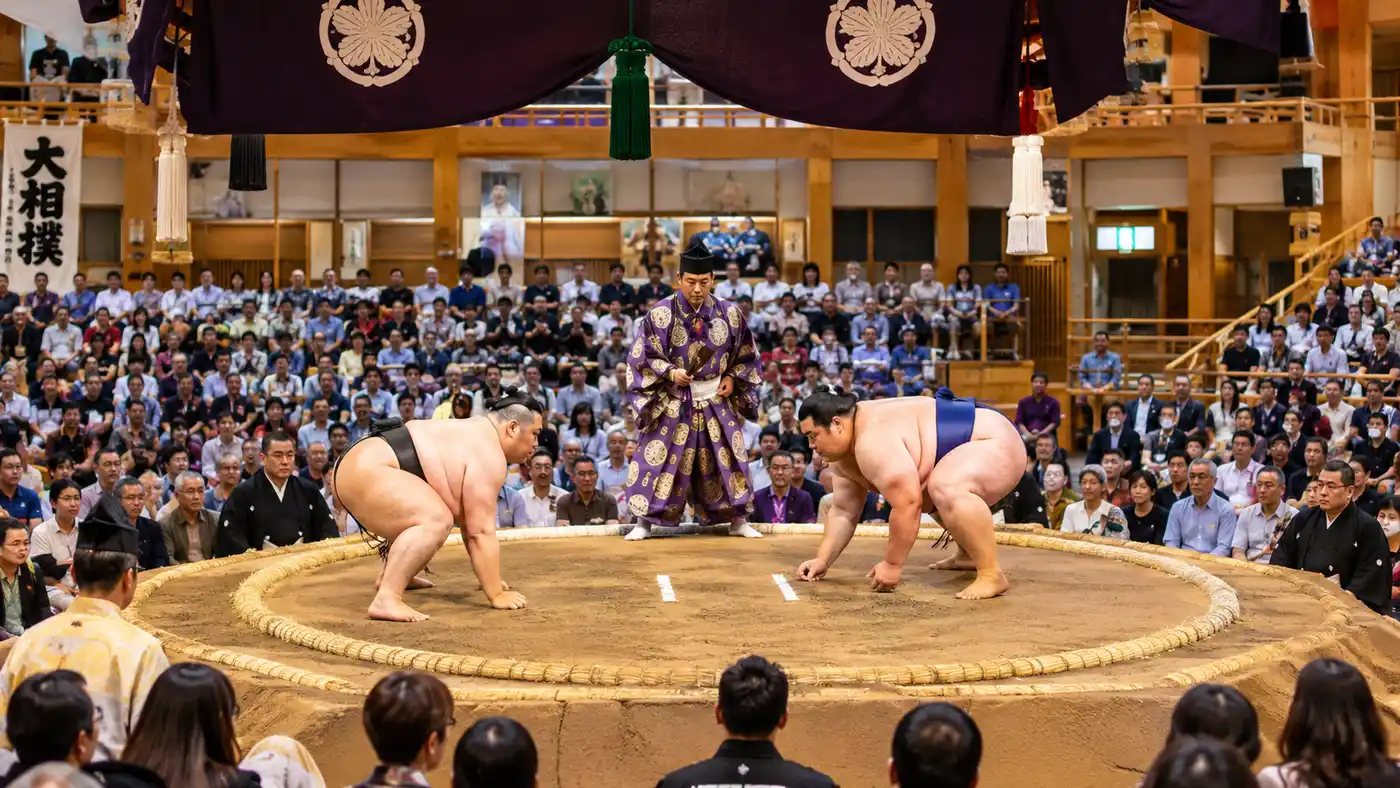
Kyoto Station connects directly to the Osaka tournament hall in under an hour every March. You get fifteen days of high-stakes promotion bouts right on Kyoto's doorstep.
Learn more →
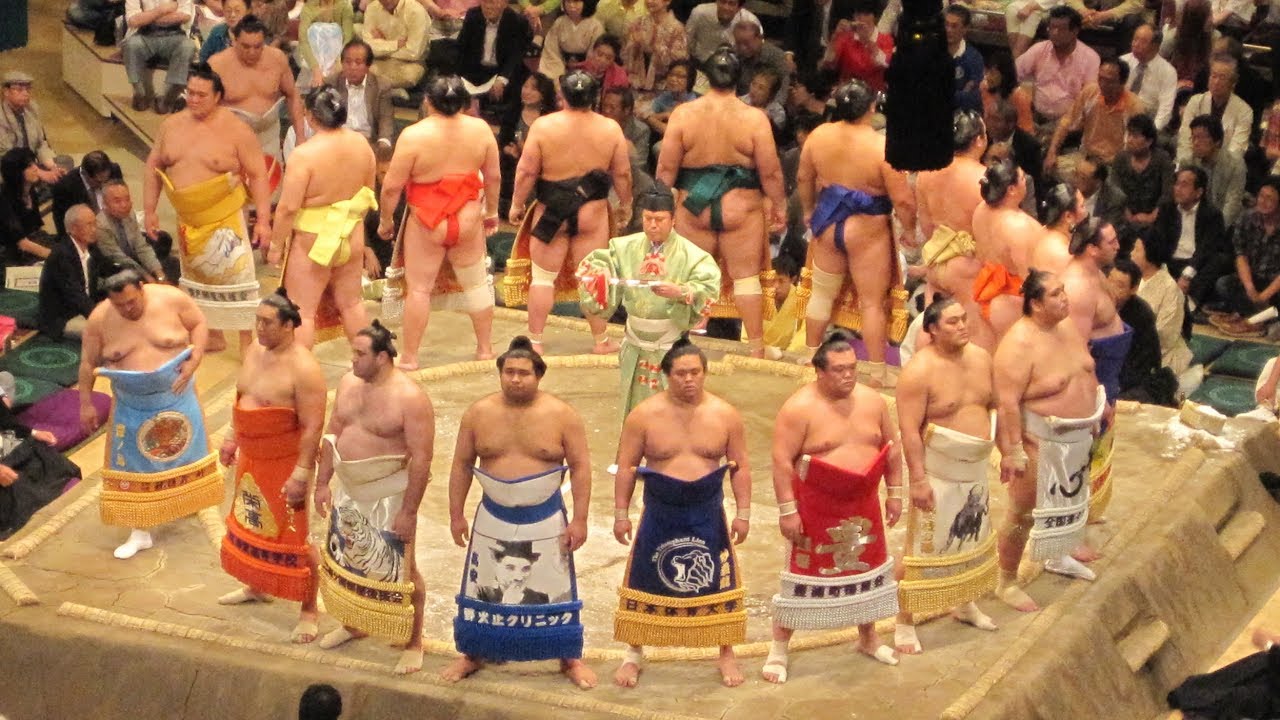
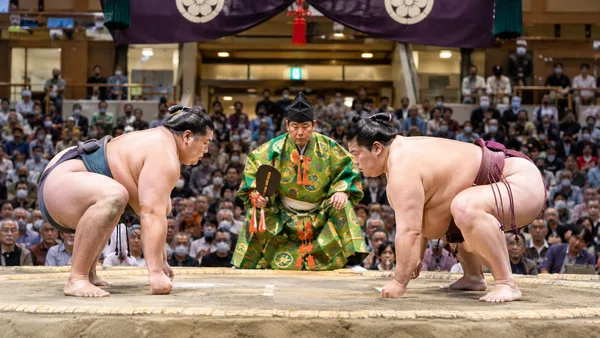
Every bout begins as a prayer for good harvests and spiritual cleansing. Watching the pre-bout staredown reveals subtle psychological games that matter just as much as raw physical mass.
Learn more →What to expect from arrival to departure.
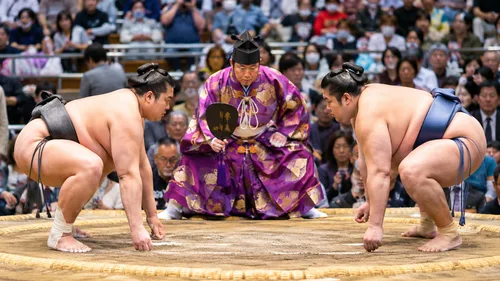
Check in at the venue reception fifteen minutes early to collect your program and seating assignment.
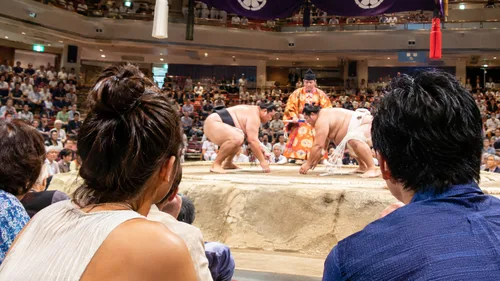
Remove your shoes at the entrance and sit down on the tatami viewing area around the dohyo ring.
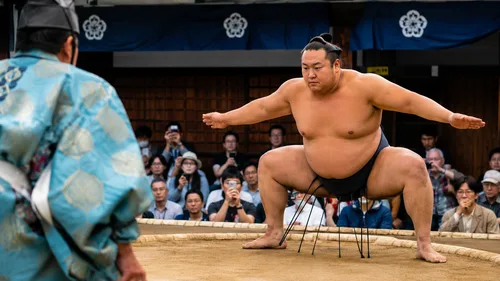
Listen as the English-speaking host explains Shinto ring purifications, referee chants, and division ranks.
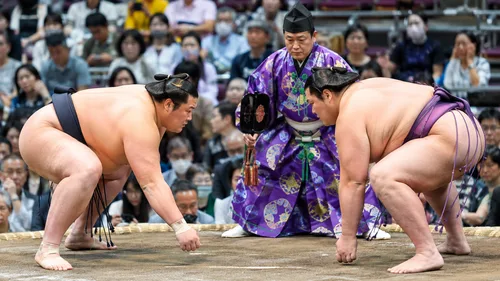
Observe former athletes demonstrate tachiai charges, leg sweeps, and dynamic belt throws at full speed.
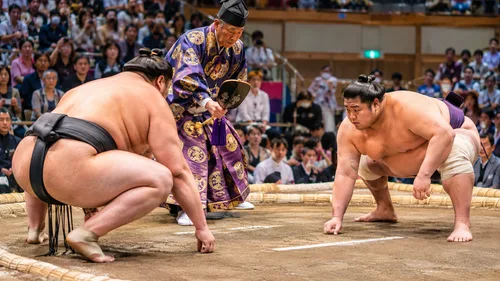
Put on a padded suit if you volunteer to test your pushing power against a retired professional.
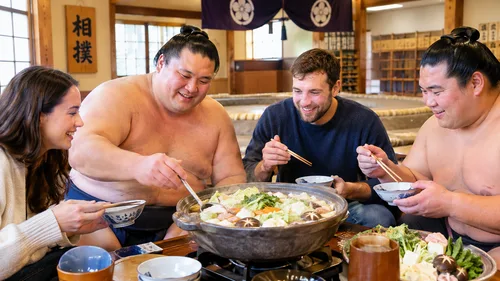
Finish your visit with a hot bowl of traditional wrestler stew and pose for souvenir photos.
Many travelers wonder if there is sumo wrestling in Kyoto when planning their Kansai trip. While the city does not host active professional training stables, it carries deep roots in the sport. Ritual bouts at Kamigamo Shrine date back centuries, preserving sacred purification traditions that shaped modern rules.
Most visitors today experience the culture through a dedicated sumo wrestler show. Local entertainment dojos in central neighborhoods host retired athletes for practical demonstrations. Guests watch heavy collisions up close, hear about life inside the stables, and eat hearty bowls of chicken chanko stew prepared on site.
Catching an official tournament requires a short trip to Osaka in March, though Kyoto hosts the traveling autumn Jungyo exhibition every October. Knowing where to look helps you find authentic sumo Kyoto events without booking mistakes.
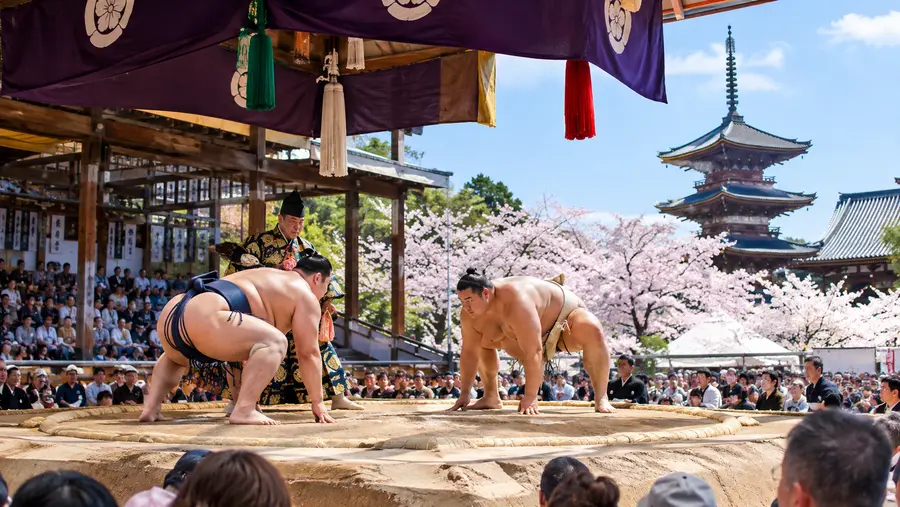
I volunteered to push former wrestler Goki and could not budge him an inch. The chicken stew served afterward was rich, piping hot, and hit the spot.
We booked the evening session in Gion. The commentary was clear, and seeing the physical speed of the initial collision from three meters away was unbelievable.
Sitting cross-legged on tatami floor cushions for ninety minutes left my knees stiff, but the wrestlers were hilarious and generous with photos.
Took our teenagers after three straight days of shrine walks. It completely energized them, especially when my daughter put on the giant padded suit.
Compare options and book directly below.
Includes a 90-minute wrestling demonstration, light chicken chanko stew, green tea, and ring photos.
Front-row floor mat seating, multi-course dinner, unlimited beer or soft drinks, and a volunteer ring slot.
Full-day general admission seat for the official Japan Sumo Association regional tour at Shimadzu Arena.
Everything you need to know before visiting sumo wrestling kyoto.
Hours: Four shows daily: 12:00 PM – 2:00 PM, 3:00 PM – 5:00 PM, 6:00 PM – 8:00 PM, and 9:00 PM – 11:00 PM (doors open 30 minutes before each show; irregular closing days)
| Standard Lunch Demo (advance online booking) | ¥7,500 |
| Evening VIP Ringside (limited to 16 seats) | ¥13,800 |
| Autumn Jungyo Ticket (seasonal October release) | ¥5,500 |
📍 Passaggio 5F, 525-1 Higashigawa-cho, Shinkyogoku Takoyakushi-sagaru, Nakagyo-ku, Kyoto 604-8046, Japan
See it before you go.
Worth combining with your sumo wrestling kyoto visit.
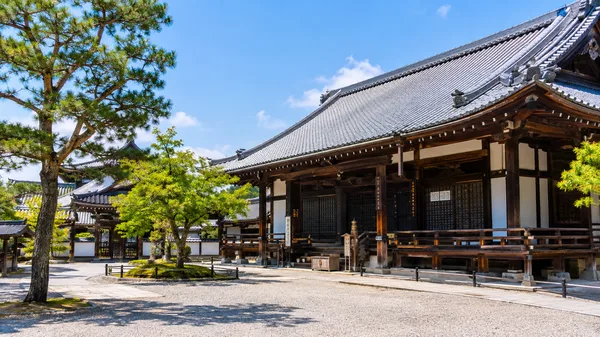
Kyoto's oldest Zen temple features tranquil gravel courtyards and twin dragon ceiling paintings.
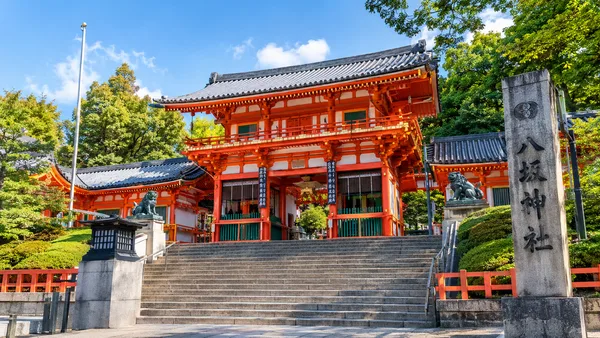
Historic Gion shrine glowing with hundreds of lantern lights that stay illuminated late into the night.
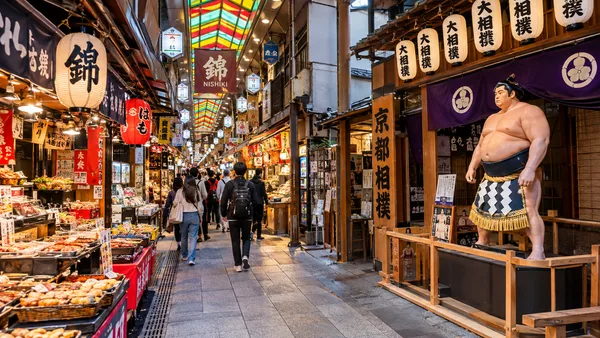
Five bustling blocks filled with fresh seafood skewers, pickled vegetables, and local street snacks.
Sumo Wrestling Kyoto welcomes all visitors with accessibility features and family-friendly amenities.
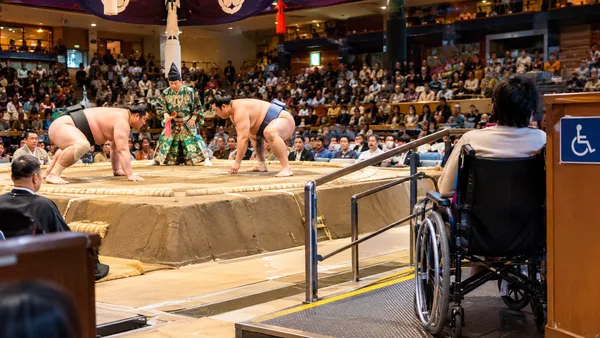
Wheelchair accessible; wheelchair spaces are limited, so advance notice is requested when booking.
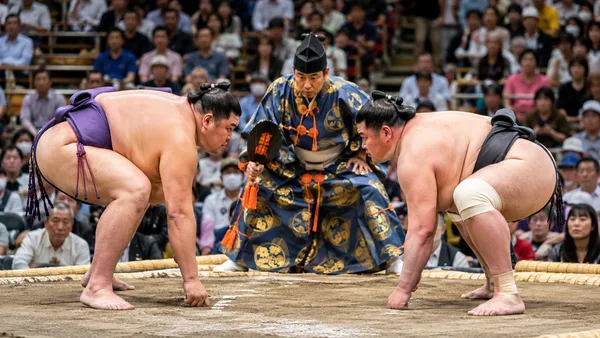
Family-friendly entertainment suitable for all ages; discounted child pricing is offered for ages 2–11, infants aged 0–1 enter free on a lap, and stroller access/storage is available.
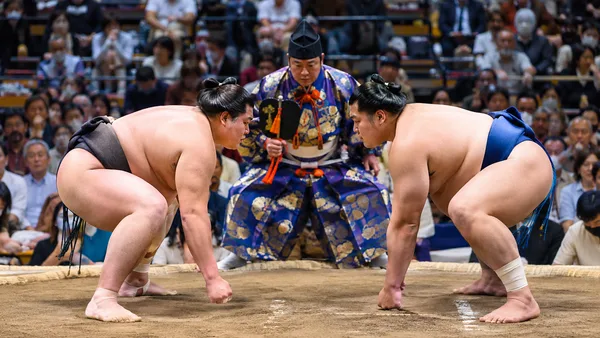
Shows feature fluent English commentary explaining specific terminology like mawashi belts and winning moves.
The venue is located on the 5th floor of the Passaggio building and is accessible via an elevator from the ground-floor entrance. Located inside the Shinkyogoku pedestrian shopping arcade, about a 3-minute walk from Kyoto-Kawaramachi Station.
Dive deeper into sumo wrestling kyoto.
Discover the authentic history of sumo wrestling, from ancient Shinto harvest rituals and samurai battles to Edo street …
Continue Reading →
Complete Japan sumo wrestling tournament schedule, basho dates, venue guides, and insider ticket tips for Tokyo, Osaka, …
Continue Reading →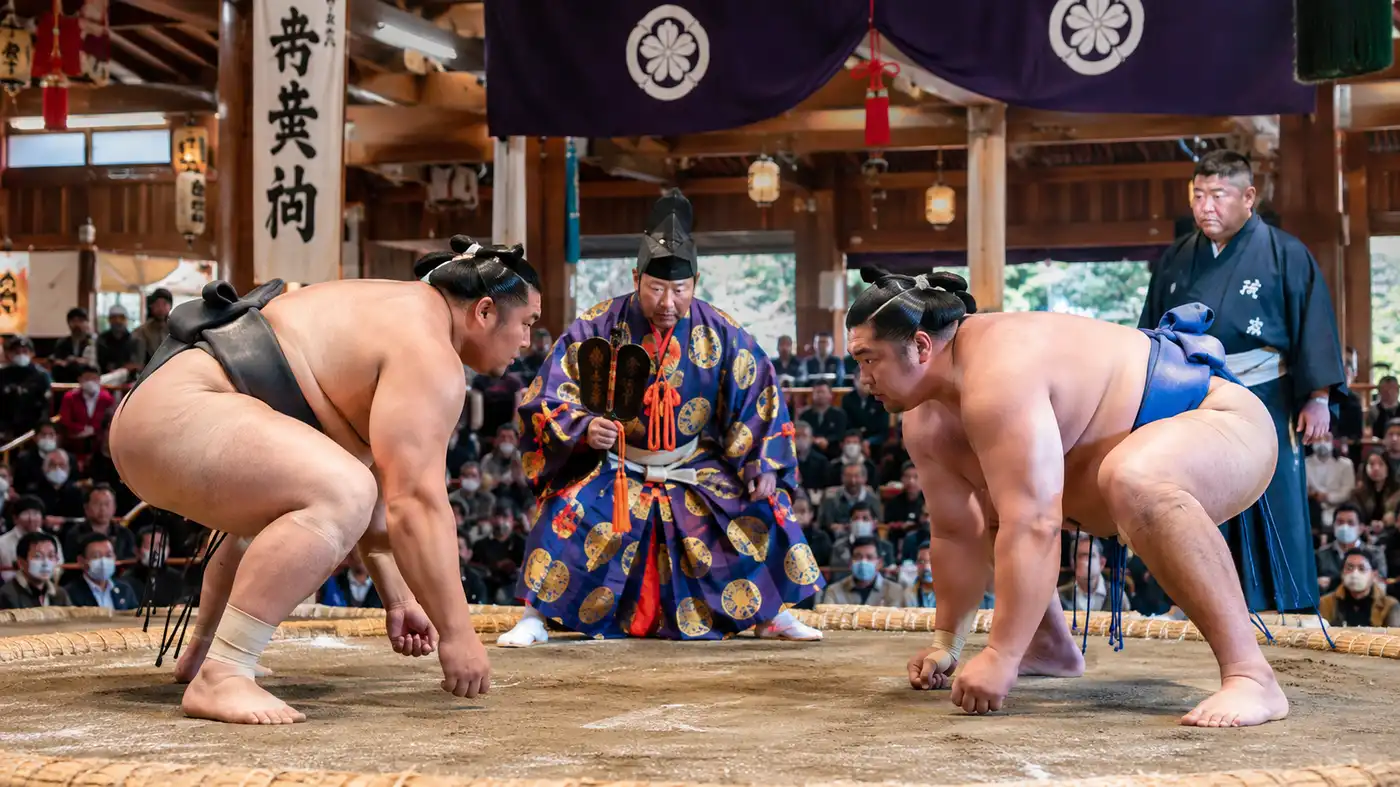
Discover the hidden world of Japanese sumo wrestlers: daily training inside stables, chankonabe diet rituals, rankings, …
Continue Reading →
Discover the best sumo wrestling show Kyoto has to offer. Compare top dinner shows, authentic chanko nabe meals, ticket …
Continue Reading →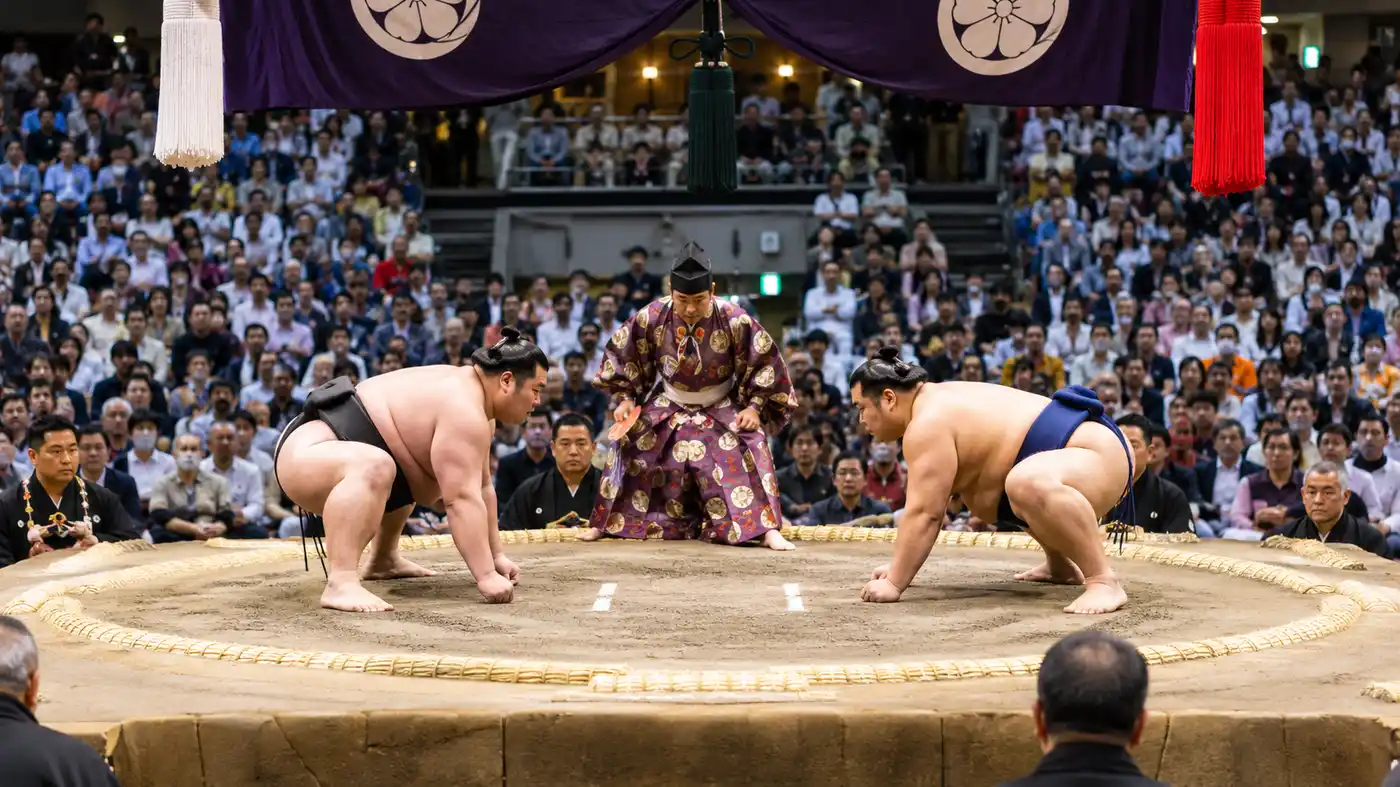
Learn the official rules of sumo wrestling, scoring methods, and why Grand Sumo has no weight classes. A practical guide …
Continue Reading →
Wondering where to watch sumo wrestling in Japan? Discover tournament tickets, morning practice stable visits, and …
Continue Reading →Common questions about sumo wrestling kyoto.
Kyoto does not host a permanent tournament stable, so regular matches depend on interactive theater shows in Gion or the annual Jungyo exhibition in October. For official fifteen-day tournaments, visitors travel to nearby Osaka in March.
These events feature retired professional athletes demonstrating warm-up stomps, legal strikes, and signature throws. An English host explains the culture, and guests are invited into the ring before sitting down for chanko nabe.
Interactive dining shows cost between ¥7,500 and ¥13,800 depending on your seating tier and meal options. Tickets for the official October Jungyo tour start around ¥5,500 for upper arena seats.
Yes. The March basho takes place at Edion Arena Osaka, which is twenty-eight minutes from Kyoto Station on the JR Special Rapid train, followed by a short walk from Namba Station.
Most cultural theater shows run between 90 and 110 minutes, leaving plenty of daylight for touring nearby temples and walking through Gion.
Casual clothes work well. You will take off your shoes at the entrance, so bring clean socks without holes, and choose loose trousers if your ticket uses floor cushions.
Yes. Most theater venues welcome children over five years old to put on padded sumo suits and test their balance against the wrestlers during the interactive half of the program.
Check available dates for interactive dojo performances, autumn tour dates, and easy day trips from Kyoto.